NERINGA
TITLE SEQUENCE CONCEPT
Studio design exploration
OVERVIEW
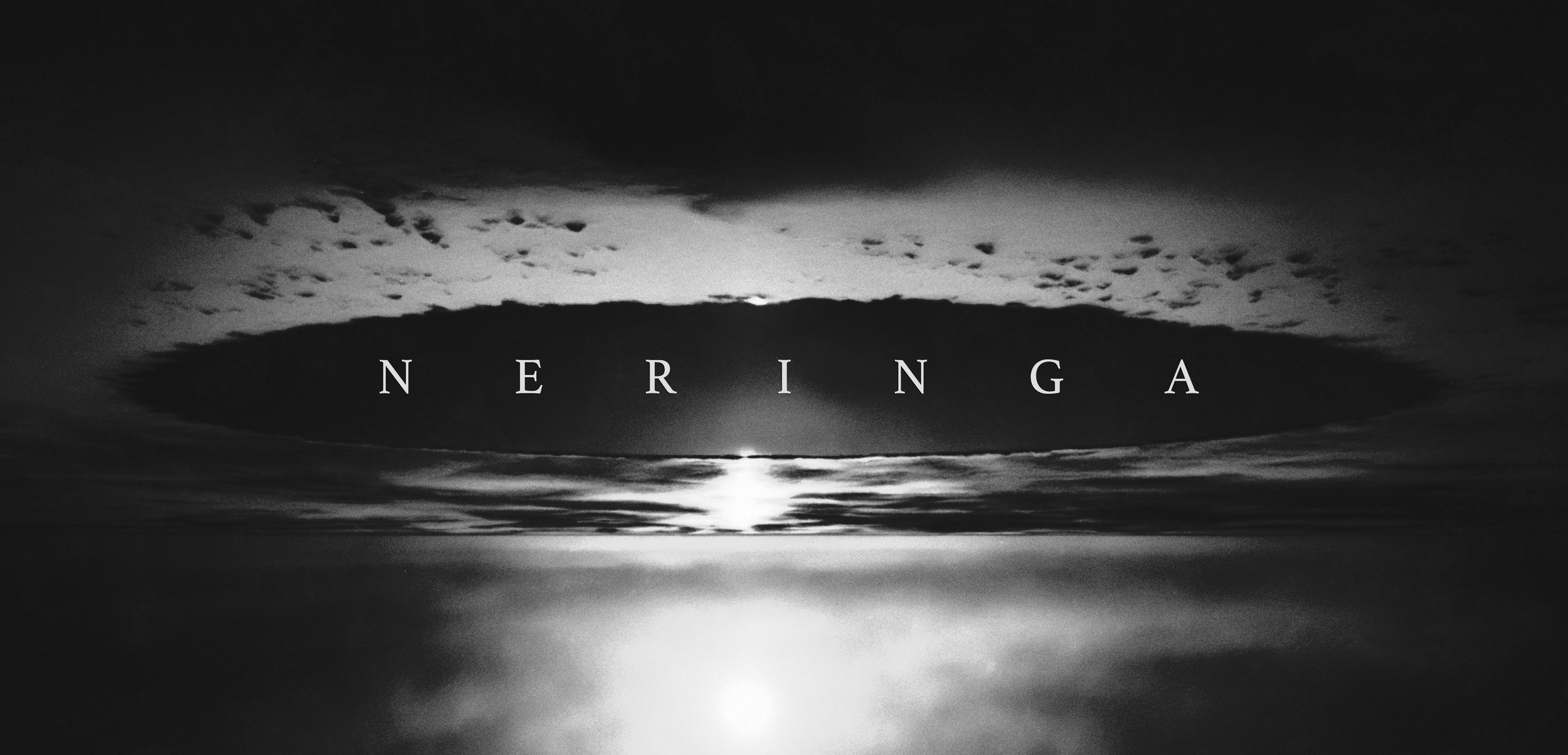
Developed as an original TCTS studio concept, Neringa is a title-sequence study for a fictional crime drama set on Lithuania’s Curonian Spit.
The project explores the Spit during deep winter, a landscape defined by fog, snow, frozen coastline, and long stretches of cold isolation.
The aim was to craft a title world where the environment itself carries the psychological weight of the series.
CONCEPT
The central idea was to use the winter landscape as a metaphor for internal tension.
Snow-covered forests and empty shorelines become quiet indicators of unresolved disturbance.
The environment functions as a silent character, observing, withholding, concealing.
Rather than illustrating scenes from the narrative, the sequence conveys the show’s emotional tone through visuals that are surreal in pacing, restrained in motion, and built to reflect a world where beauty and bleakness coexist without explanation.
Silence as atmosphere. Isolation as identity.
CONCEPT DEVELOPMENT
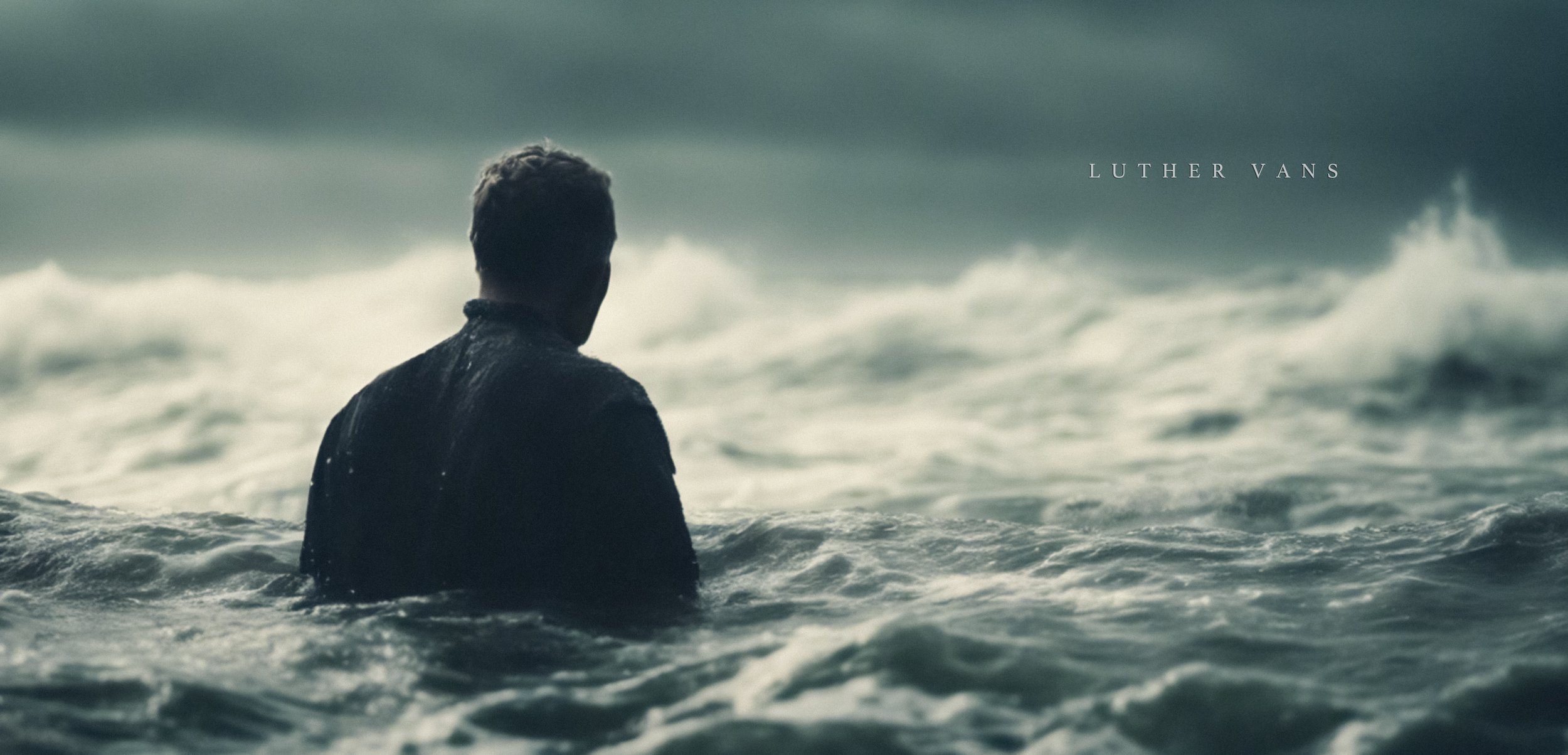
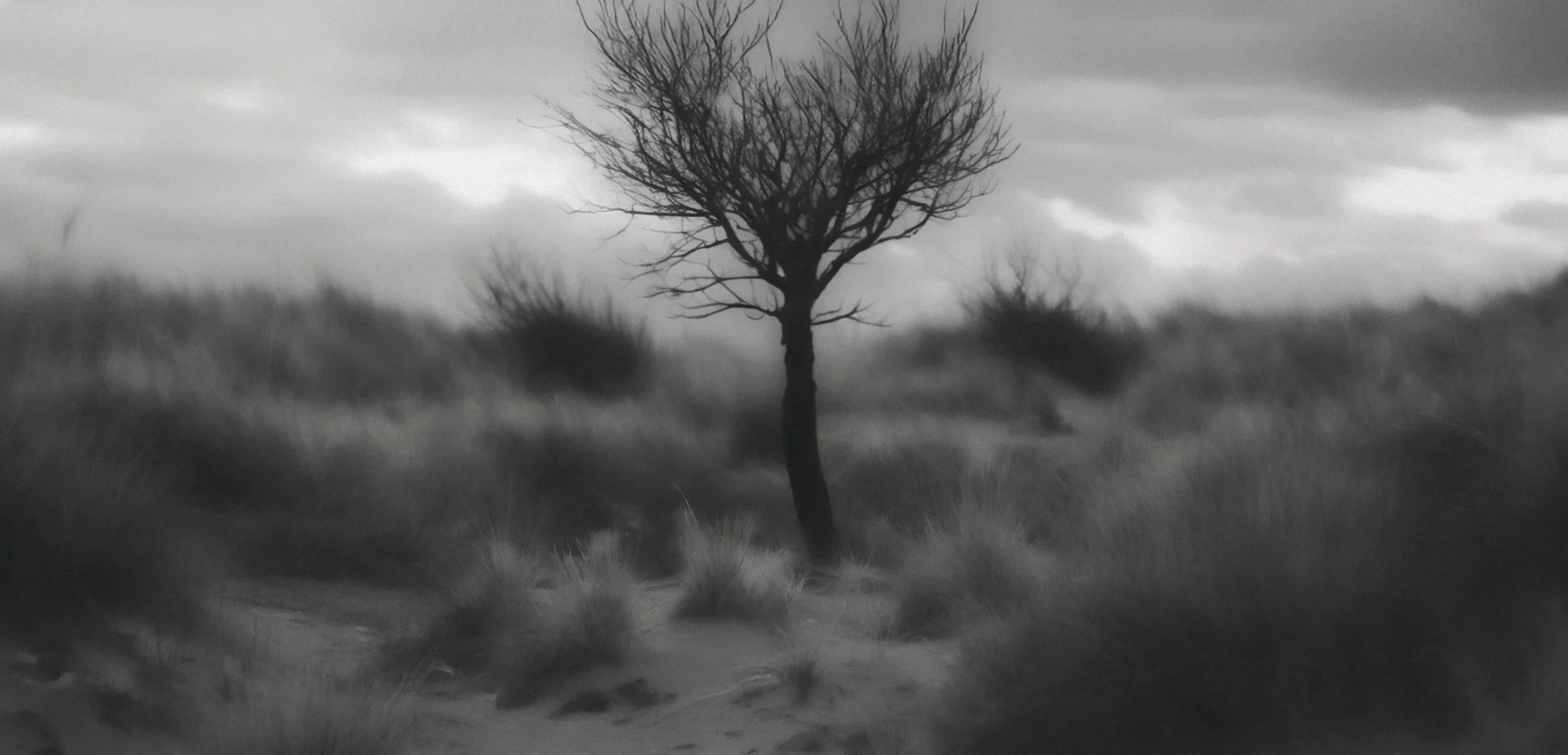
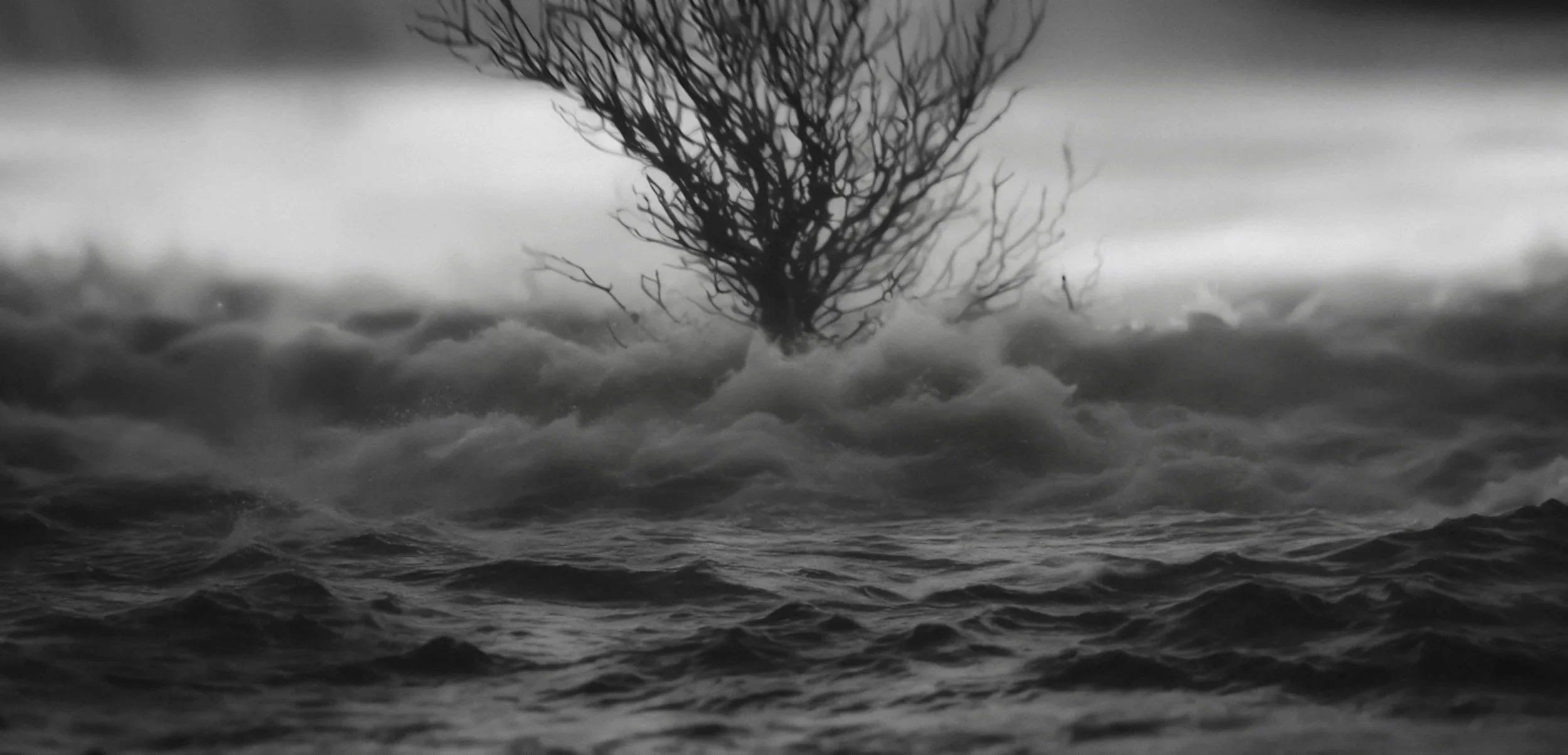
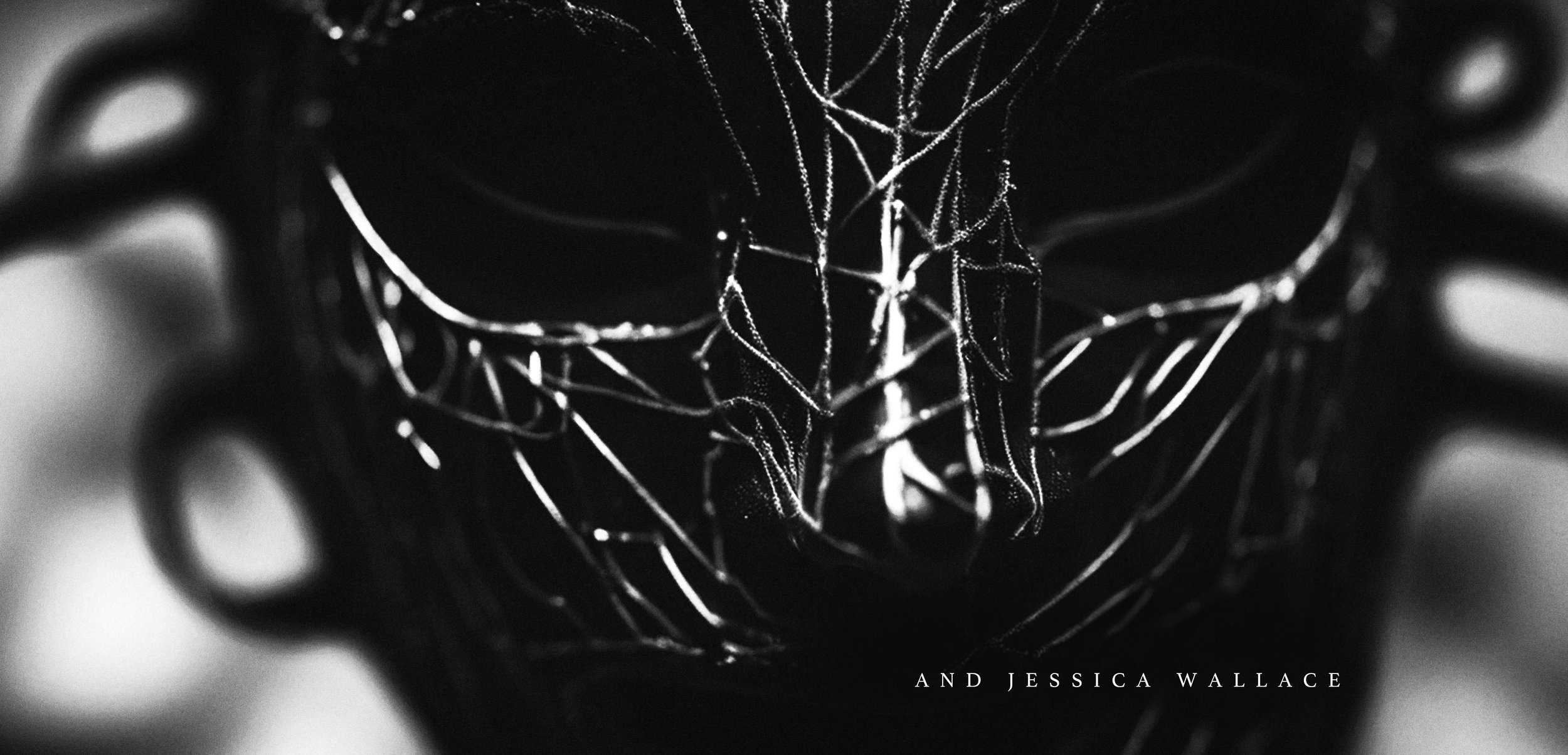
TONE BOARDS
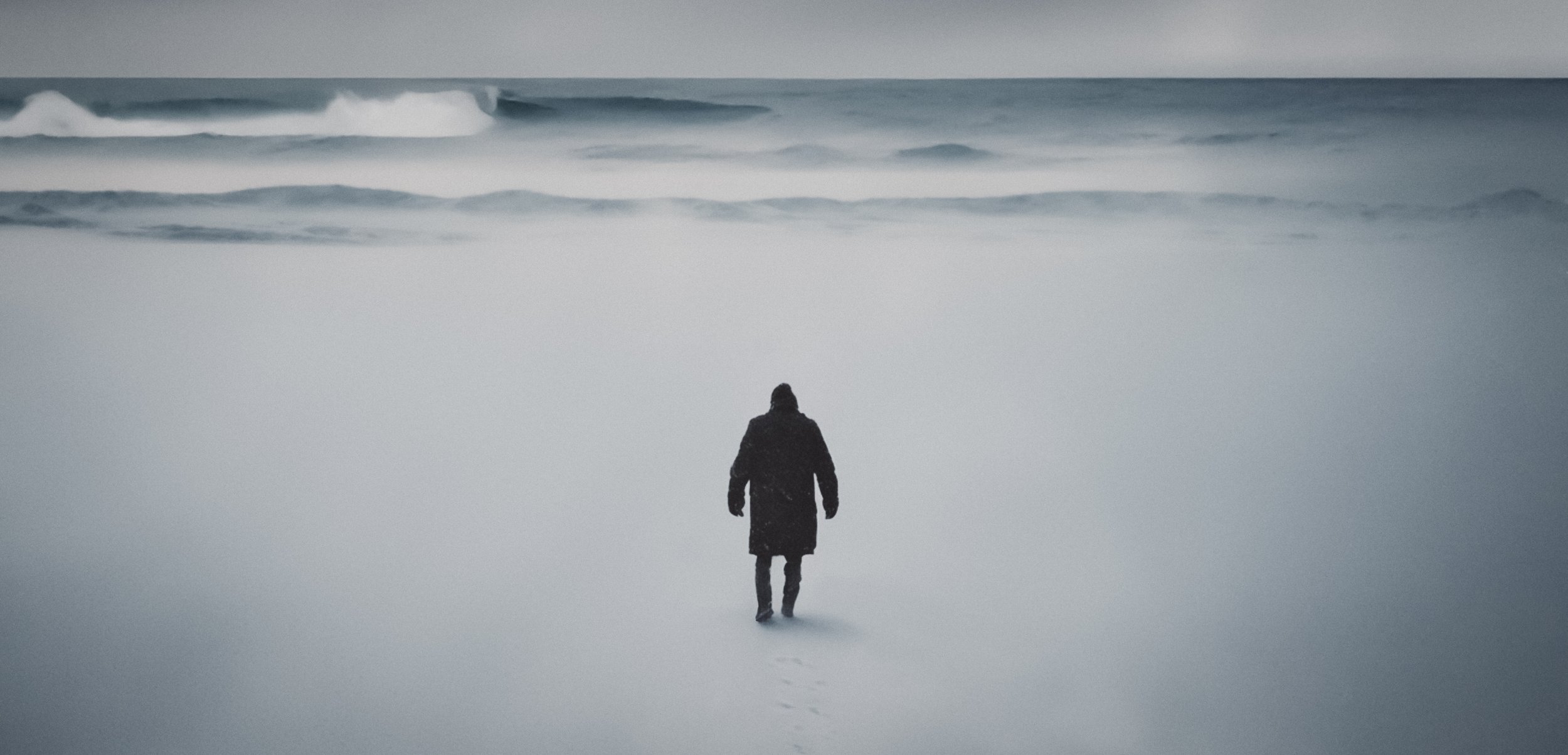
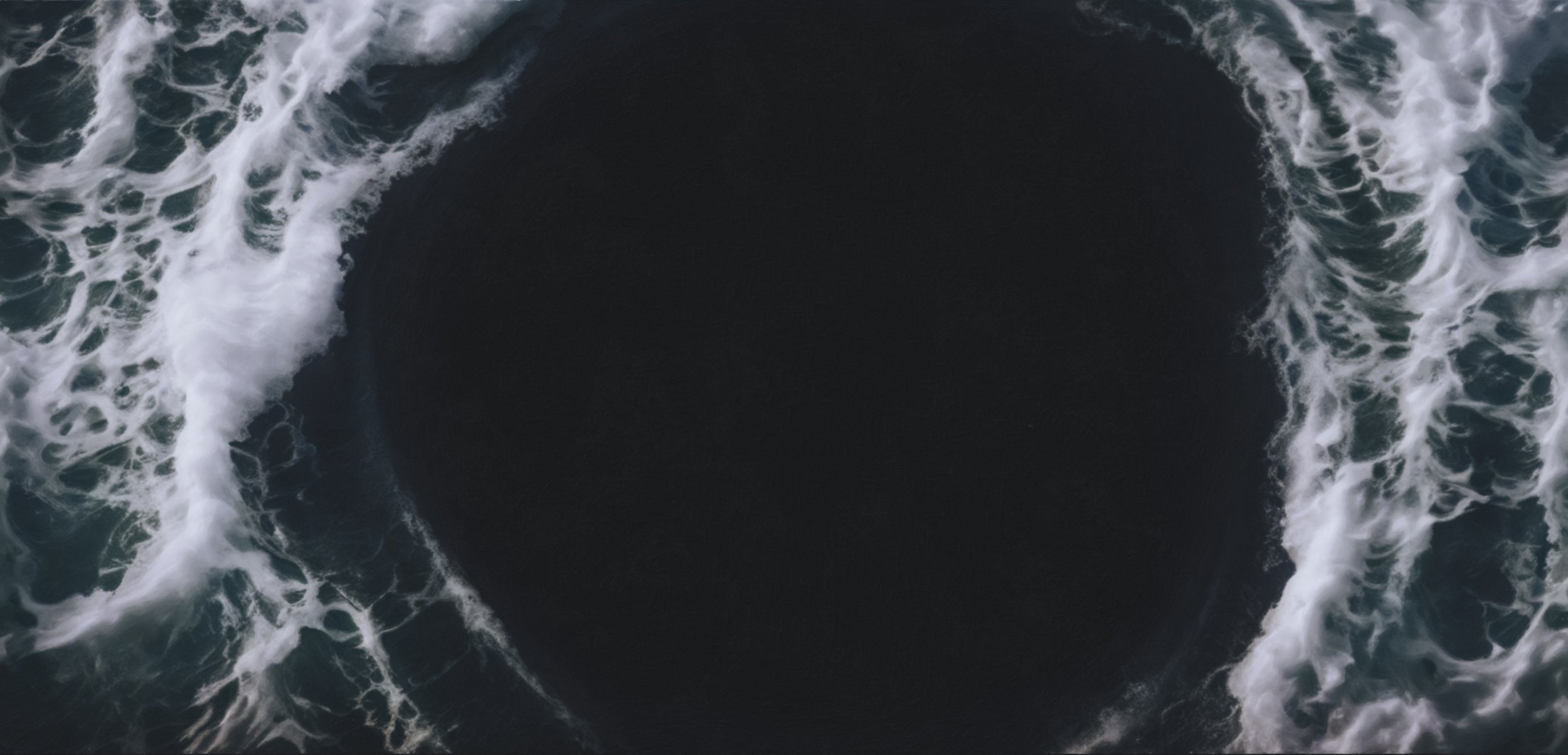
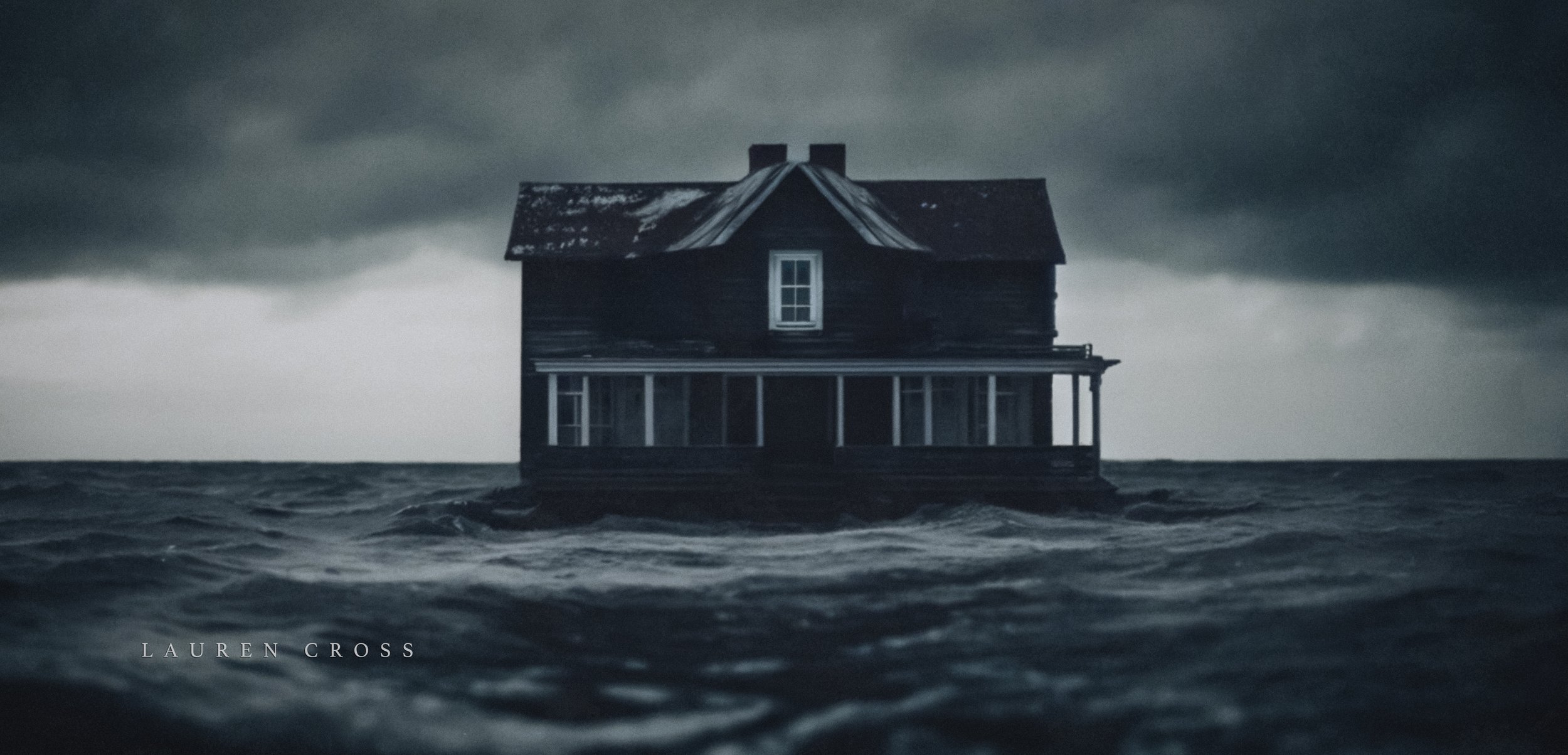
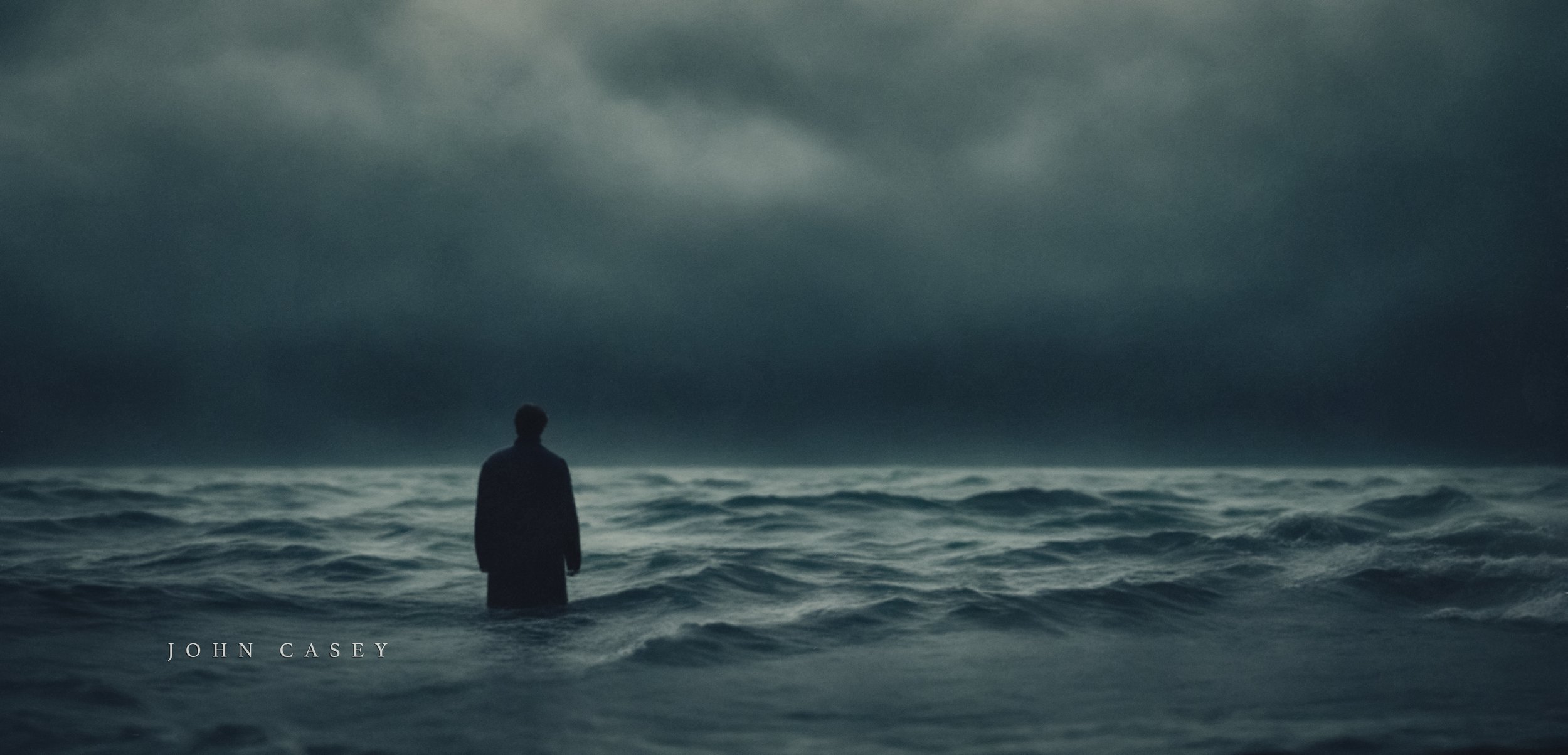
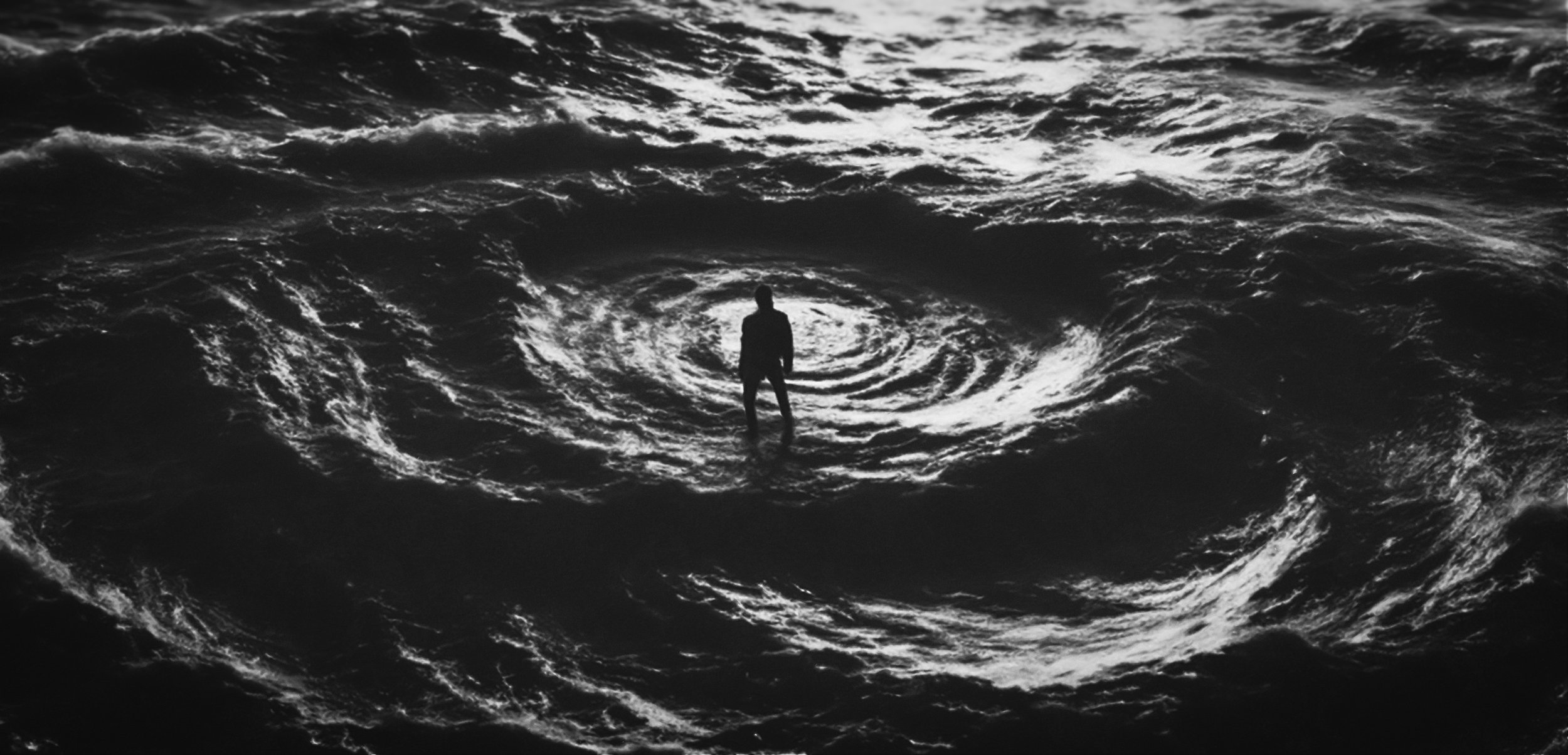
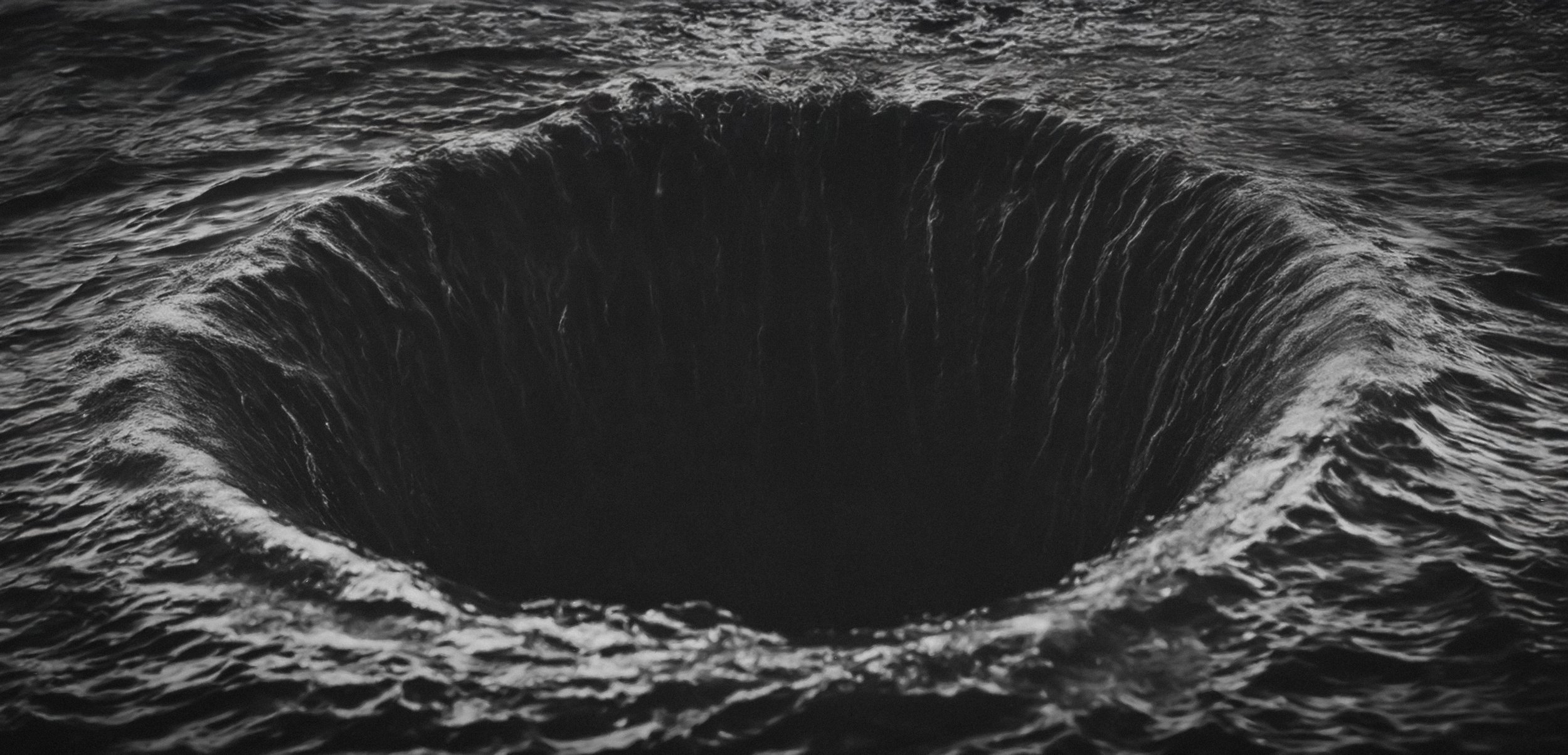
These tone boards explored:
cold, desaturated palette with slight blue-grey bias
shaping objects into abstract forms
merging land with sea
negative space acting as emotional pressure
stark transitions between open dunes and submerged spaces
subtle symbolic details
minimal, slow camera drift
Each study reinforced a sense of emptiness, loss, and slow-building tension.



COLOUR AND LIGHT STUDIES
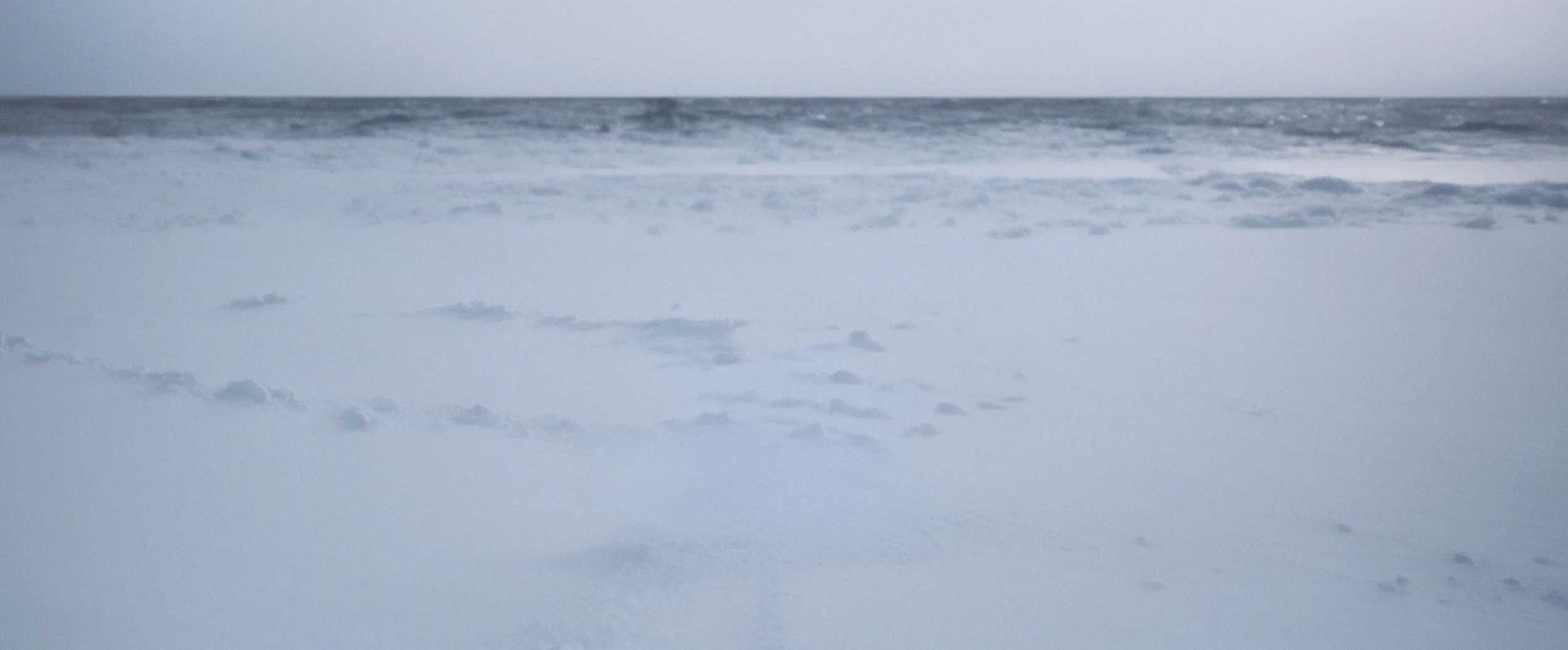
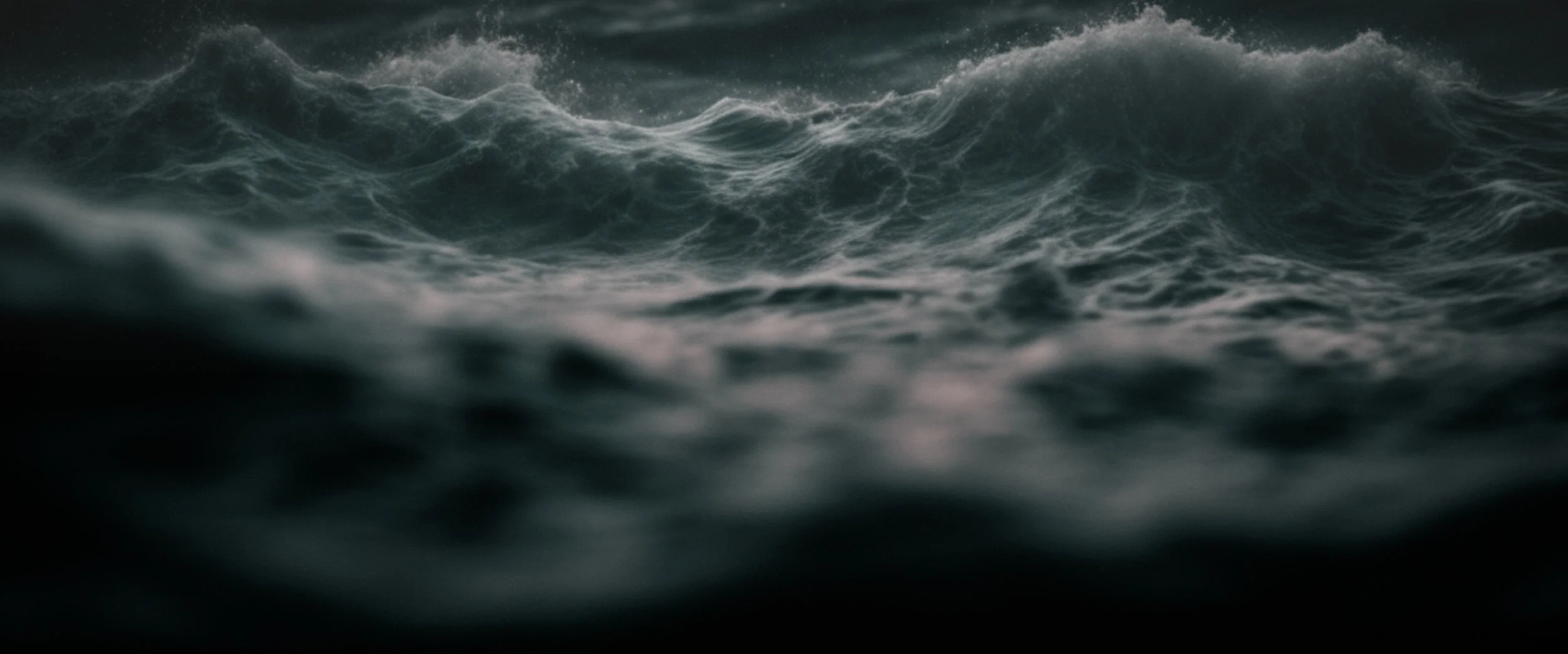
COLOUR & LIGHT STUDIES — ENVIRONMENTAL TONE
These studies explore the environmental conditions that define the emotional world of Neringa.
Rather than treating colour as expressive or decorative, the focus was on atmospheric restraint, cold palettes, muted contrast, and natural light that feels distant and unyielding.
The Curonian Spit becomes an emotional landscape as much as a physical one.
Snow, water, horizon lines, and overcast skies establish a sense of isolation, ambiguity, and psychological pressure, themes central to the series.
These frames informed decisions around:
palette limitation
tonal compression
horizon placement
negative space
visual silence
The intention was to create a world where tension is not announced, but slowly accumulates, allowing the title sequence to feel embedded in the environment rather than layered on top of it.
TONE STUDIES — PSYCHOLOGICAL LANDSCAPE
TONE STUDIES — PSYCHOLOGICAL LANDSCAPE
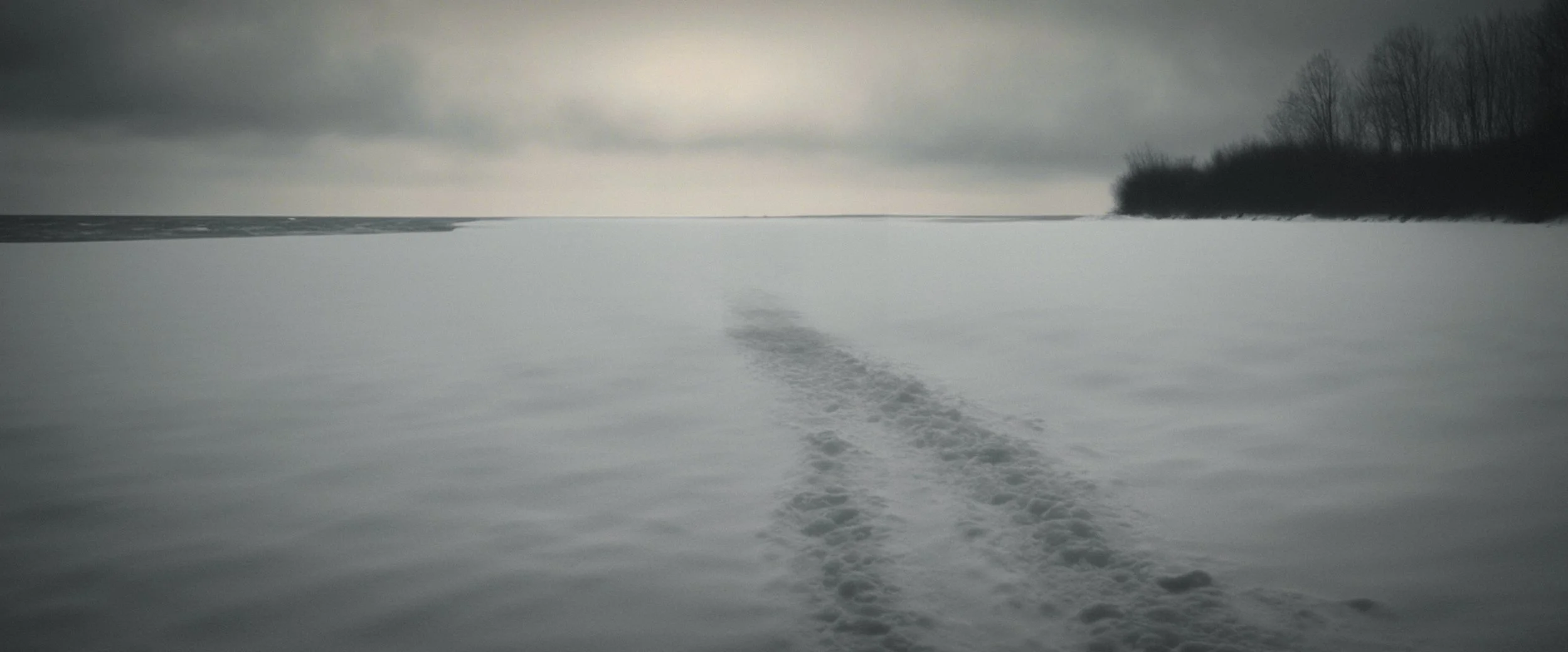
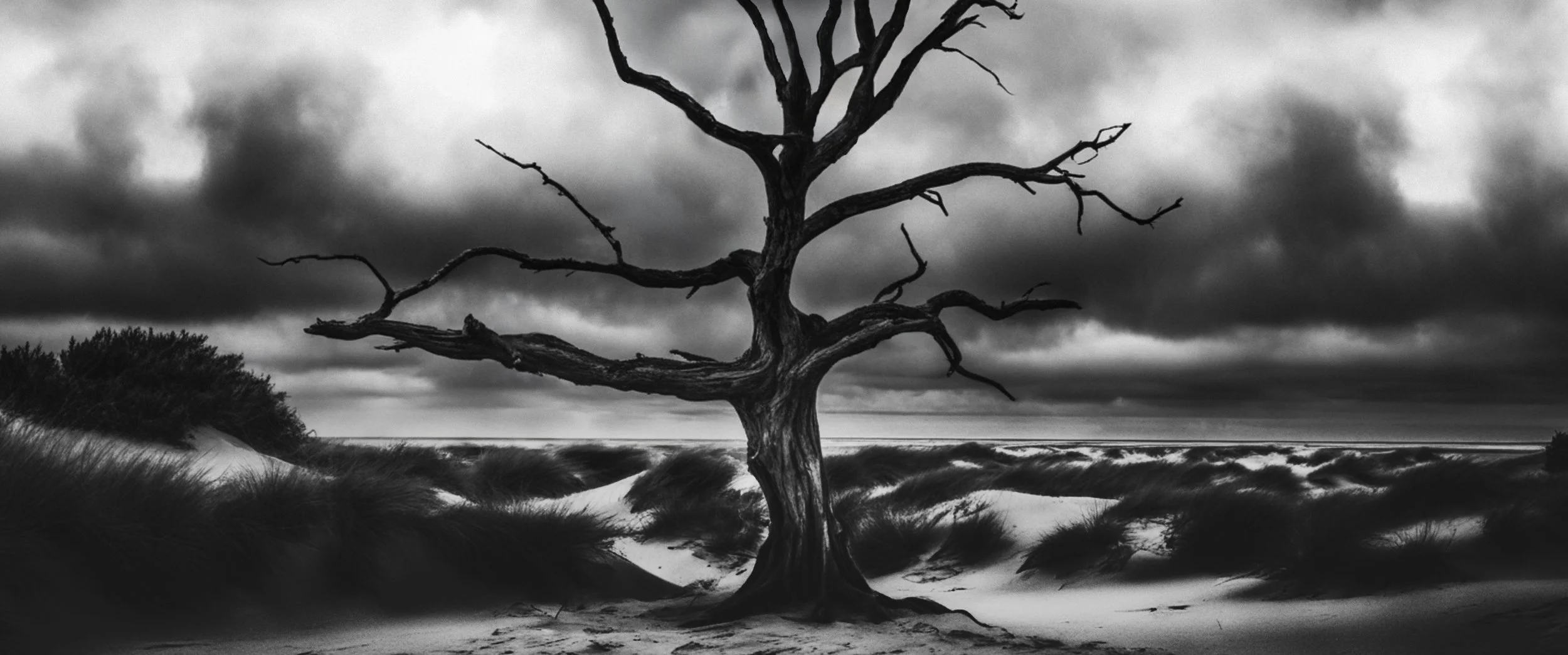
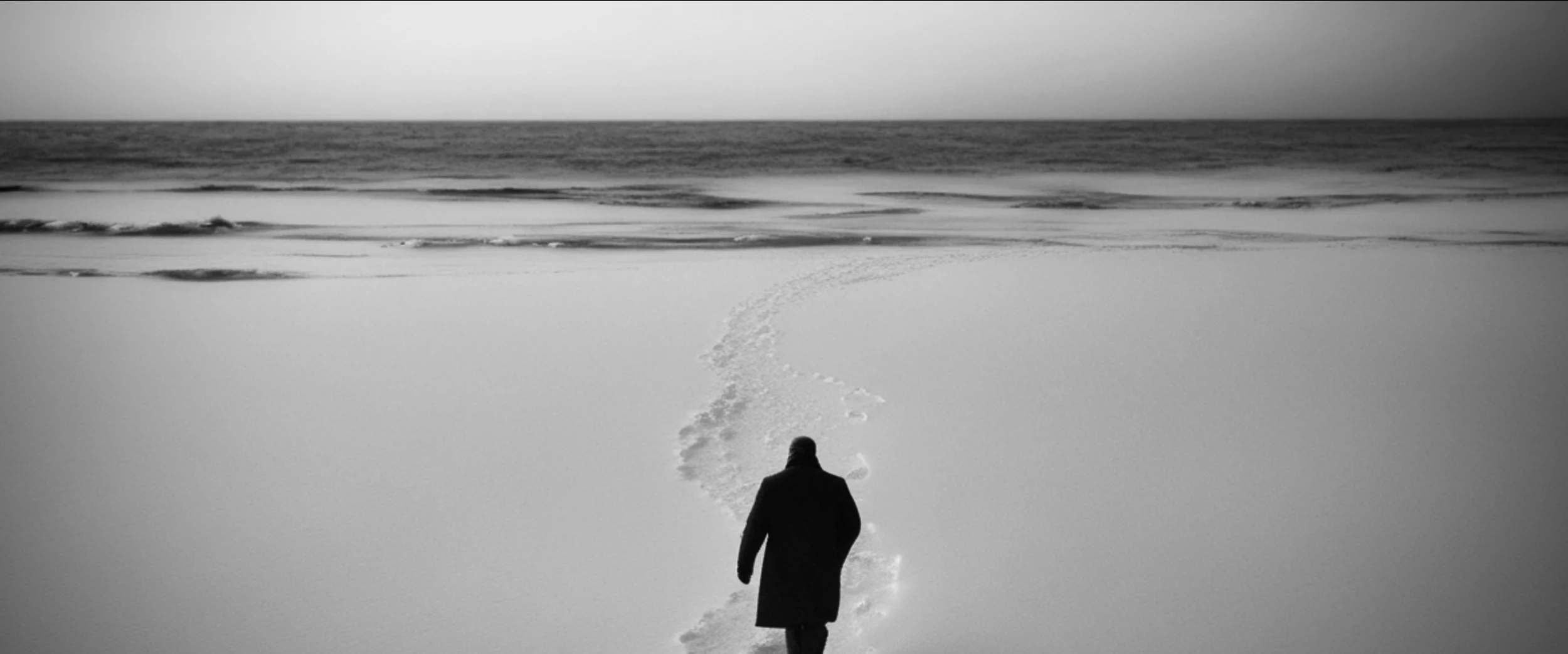
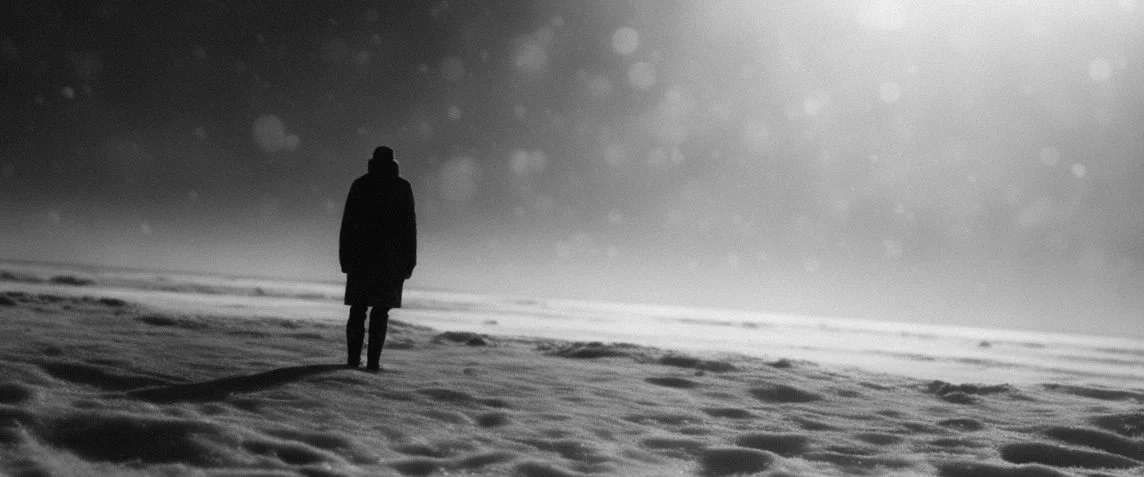
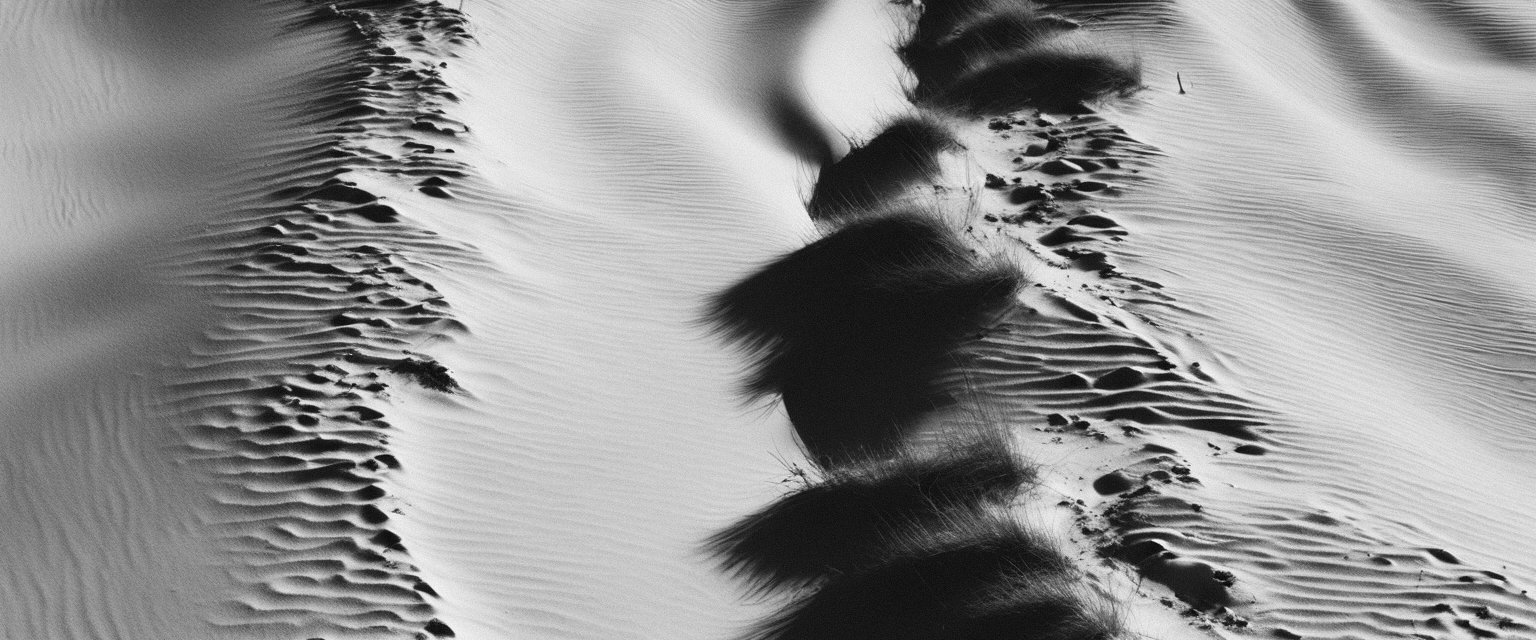
These tone studies explore the emotional and narrative atmosphere of Neringa through image, scale, and absence.
Rather than illustrating story events, the focus is on psychological state, isolation, distance, uncertainty, and the quiet pressure of place.
Human presence is reduced to a single figure or implied through traces: footprints, paths, silhouettes.
This restraint allows the landscape to dominate the frame, positioning the environment as an active force rather than a backdrop.
The imagery tests how tone is carried through:
negative space
horizon placement
scale imbalance between figure and landscape
low-contrast monochrome
softened detail and atmospheric diffusion
Forests, shorelines, dunes, and snowfields become metaphors for internal states, obscured truth, emotional fatigue, and moral ambiguity.
The intention was to create a visual language where tension accumulates slowly, without overt signals, mirroring the internal experience of the central character.
These studies informed the pacing, framing, and symbolic logic of the title sequence, ensuring that the titles feel psychologically embedded within the world of Neringa, rather than imposed upon it.
Rather than treating colour as expressive or decorative, the focus was on atmospheric restraint, cold palettes, muted contrast, and natural light that feels distant and unyielding.
TONE STUDY — SOLITARY FIGURE / SCALE & DISTANCE
PSYCOLOGICAL STUDY — HORIZON & UNCERTAINTY
TONE STUDY — TRACKS, TRACES, ABSENCE
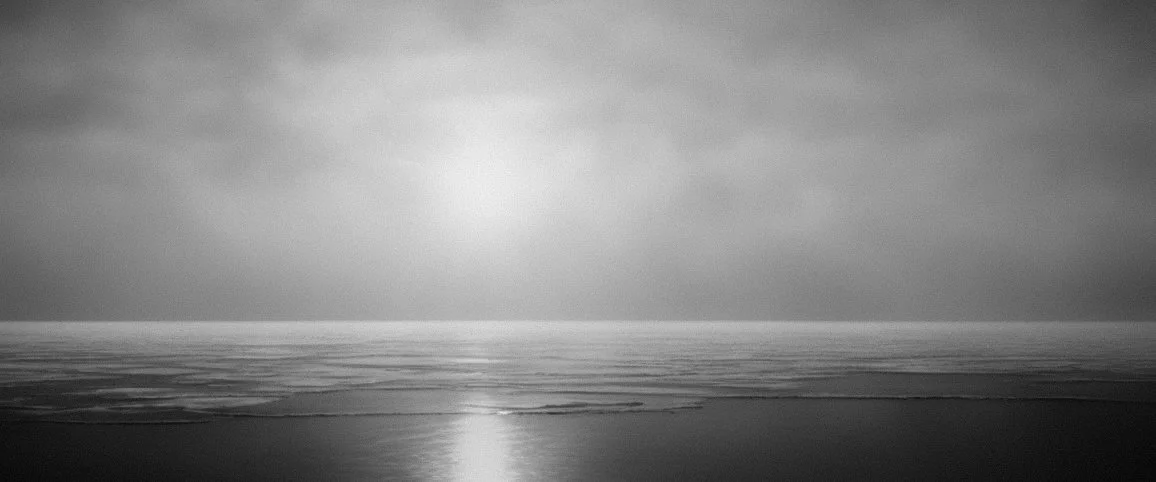
ATMOSPHERIC STUDY — FOREST AS COMPRESSION
LANDSCAPE STUDY — EXPOSURE & SILENCE
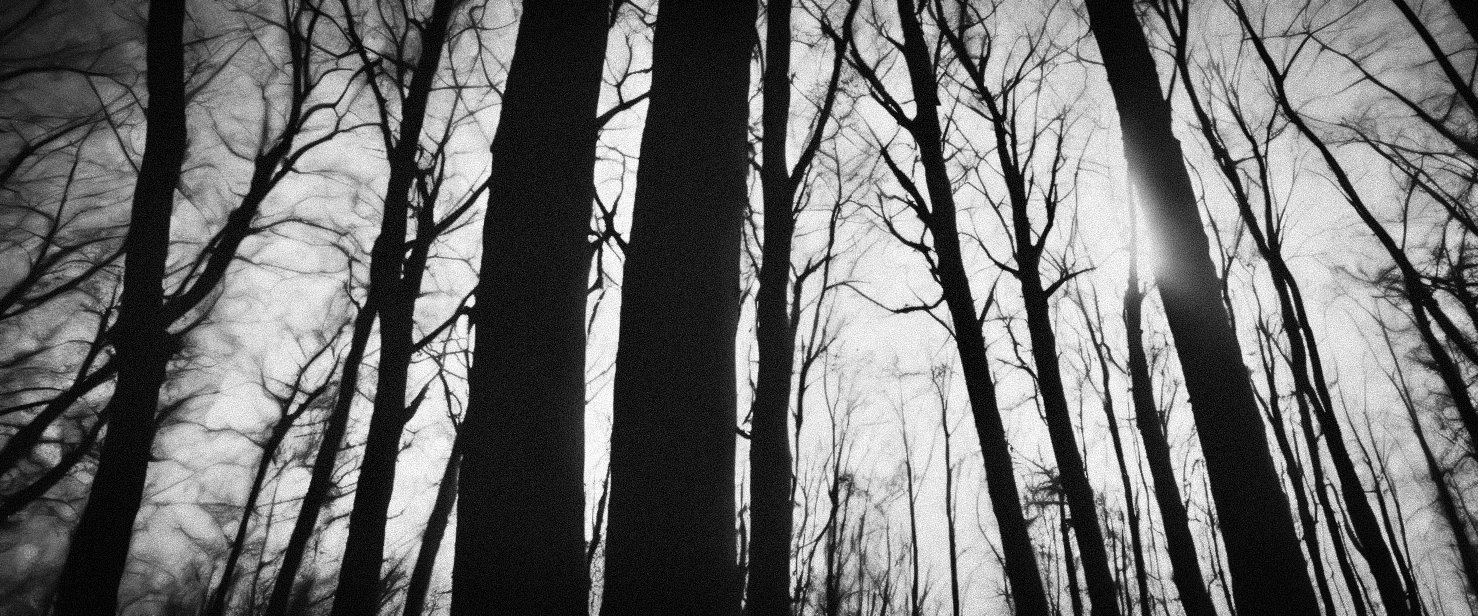
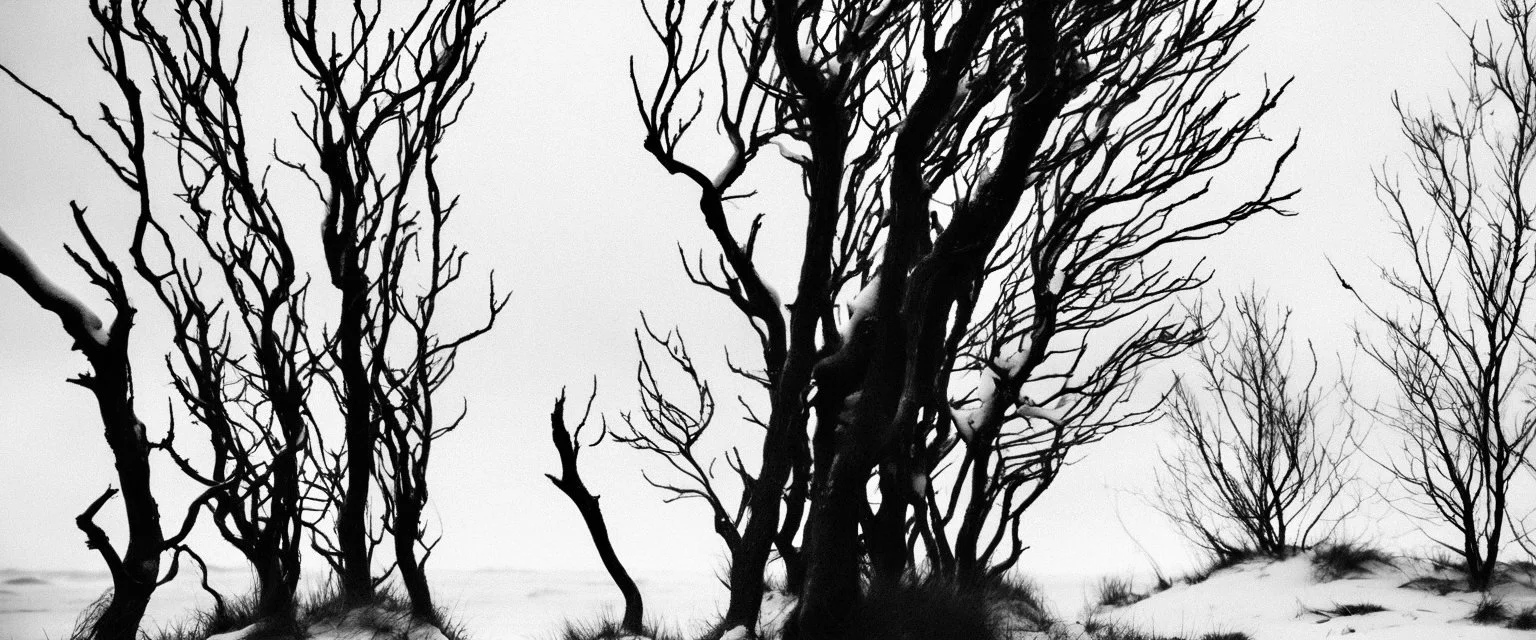
ENVIRONMENTAL METAPHOR — THRESHOLD & VOID
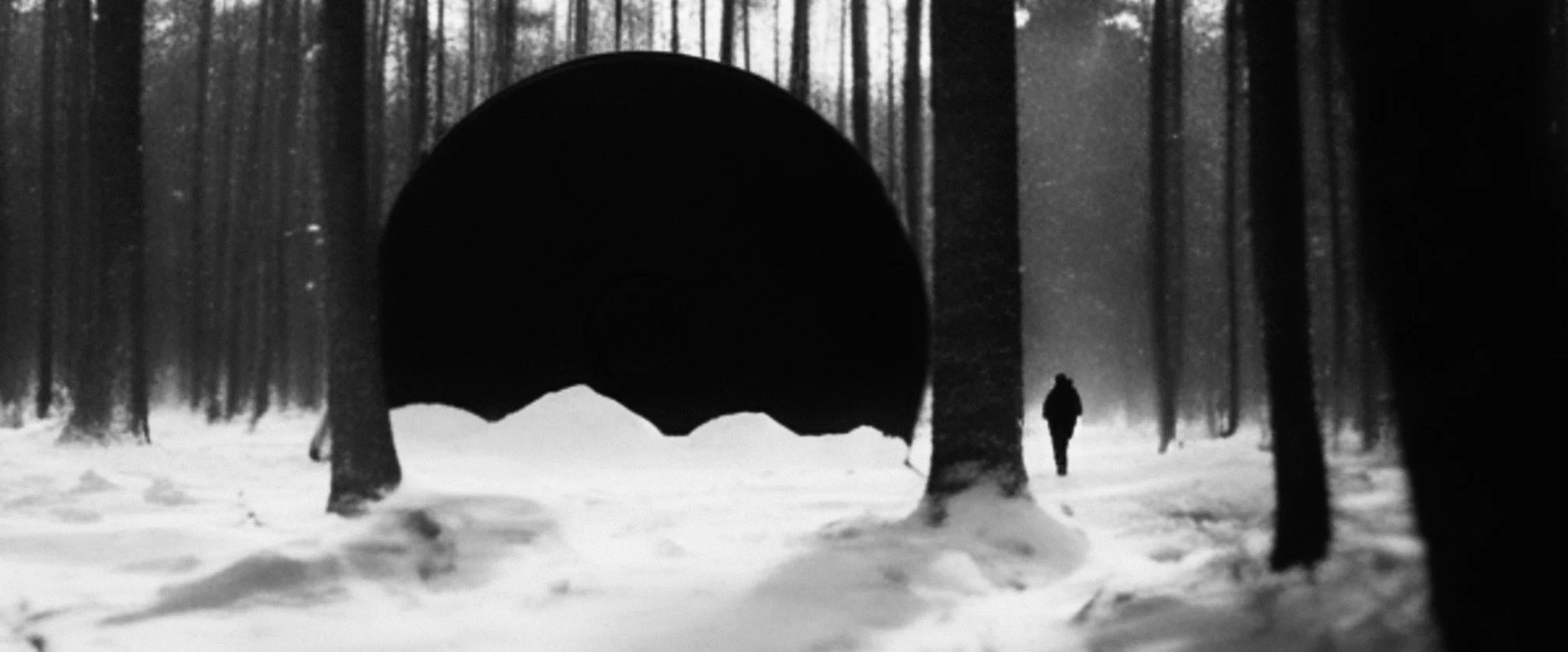
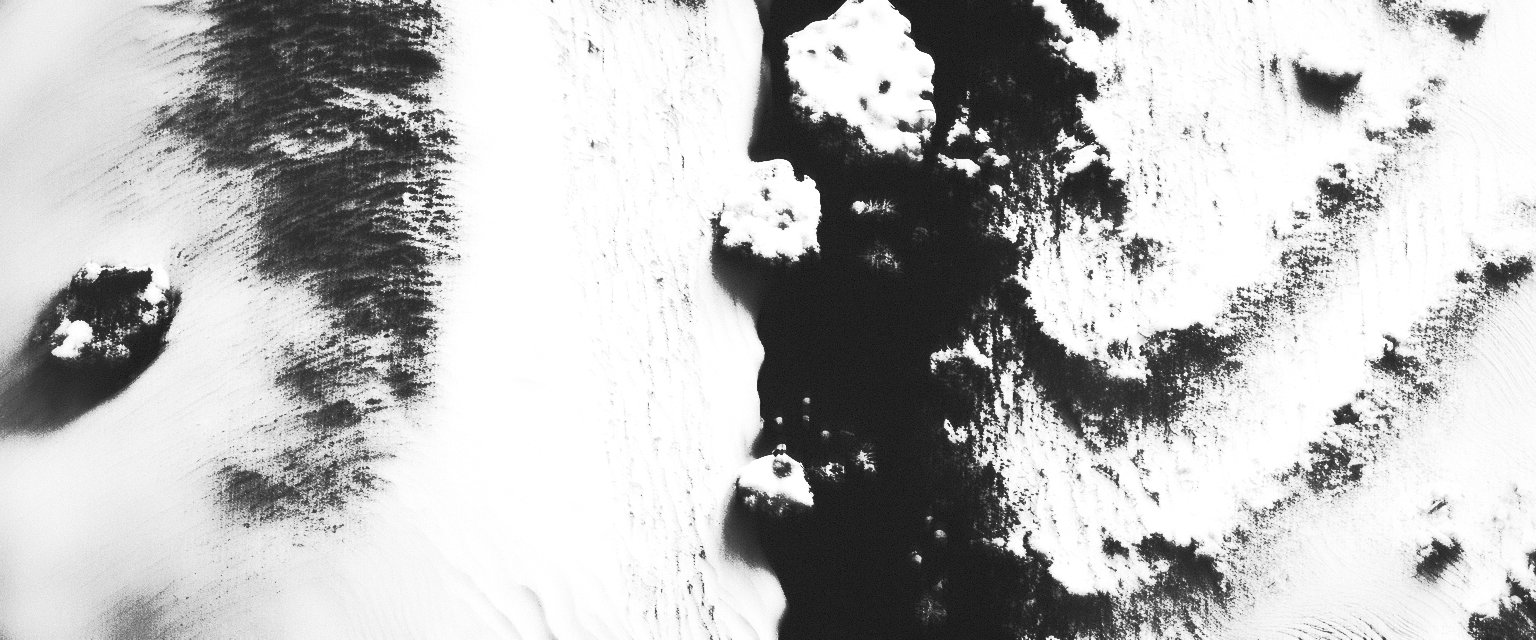
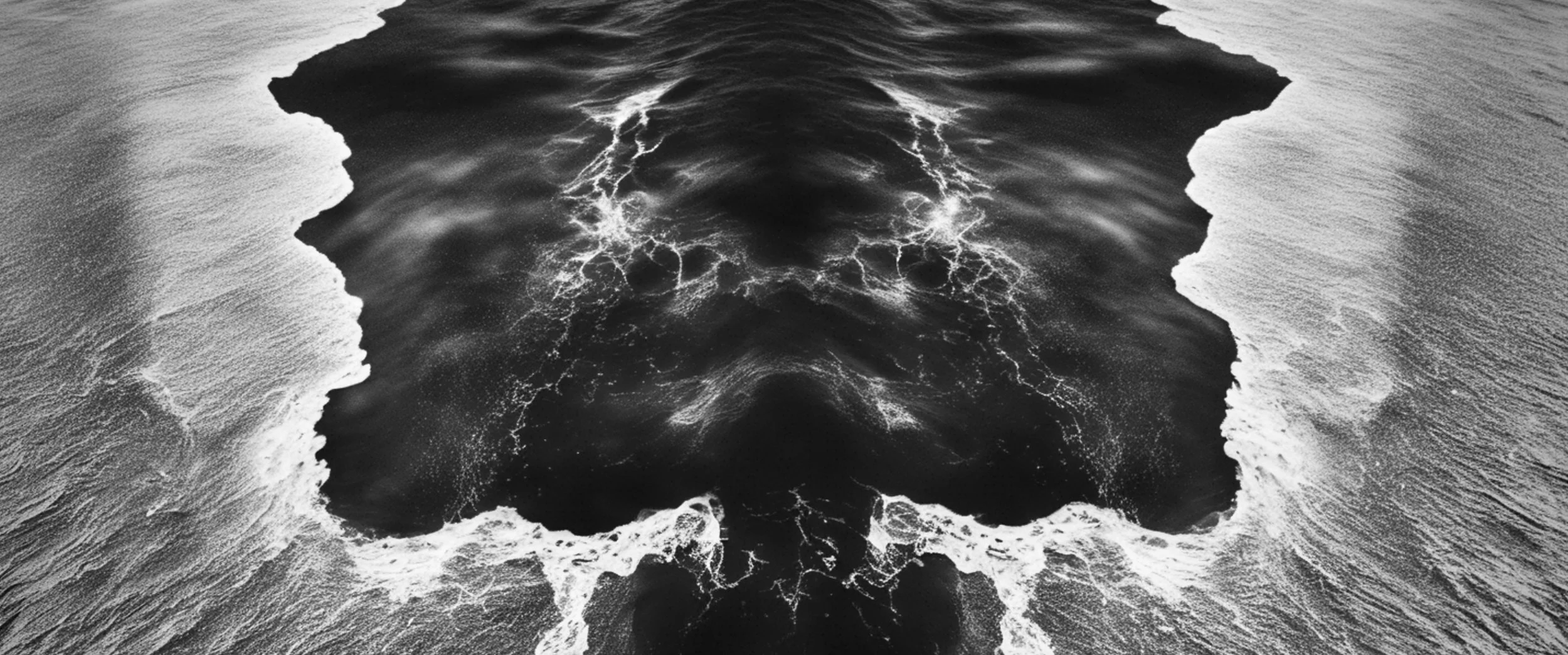
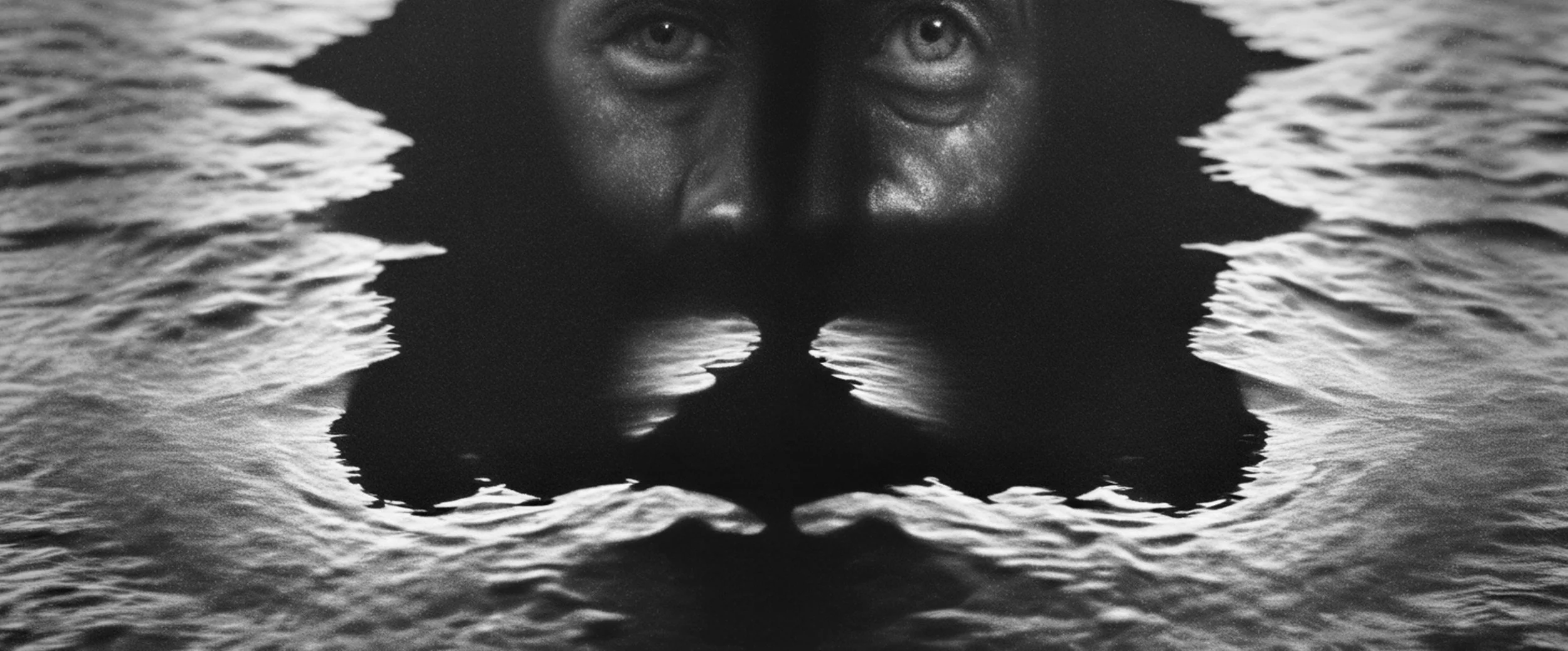
SOURCE MATERIAL. ATMOSPHERE GENERATION STUDIES
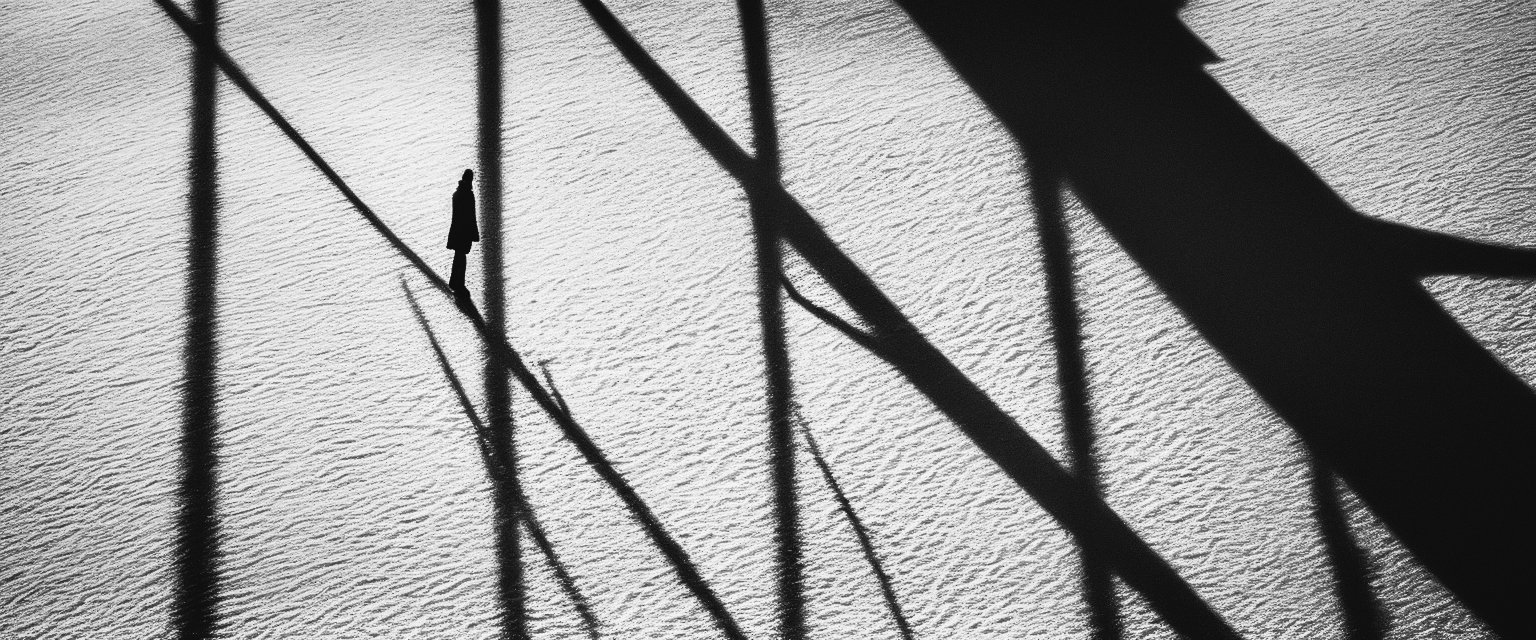
This early phase used AI as a concept development tool to explore winter atmosphere, and surrealist abstract forms referencing imagery from the Curonian Spit.
The objective was not to create final imagery, but to generate raw visual fragments. I curated a large number of generated frames down to a small selection that carried the right emotional tone.
AI provided fragments.
Authorship came through selection, and direction.
Using AI in this way allowed for rapid exploration of environmental tension, negative space, and the abstracted shapes winter creates.
These studies helped define the emotional boundaries of the project before moving into handcrafted visual development.


RESULT
A visual exploration of how a title sequence can express the emotional core of a narrative through atmosphere rather than plot.
Developed as an original TCTS studio concept, Neringa investigates how landscape, season, and environmental conditions can function as storytelling devices in their own right. Through restrained motion, fragmented visibility, and psychologically weighted imagery, the sequence establishes a world defined by isolation, ambiguity, and quiet tension.
The result is a title-sequence concept built around silence, absence, and atmosphere, a visual identity for a story that feels both starkly beautiful and quietly unsettling.
CREDITS
Project · TCTS Studio
Role · Concept, Direction & Visual Development
© 2026 Neil Gittins / TCTS Studio.
Commissioned work, client materials and trademarks remain the property of their respective owners.